

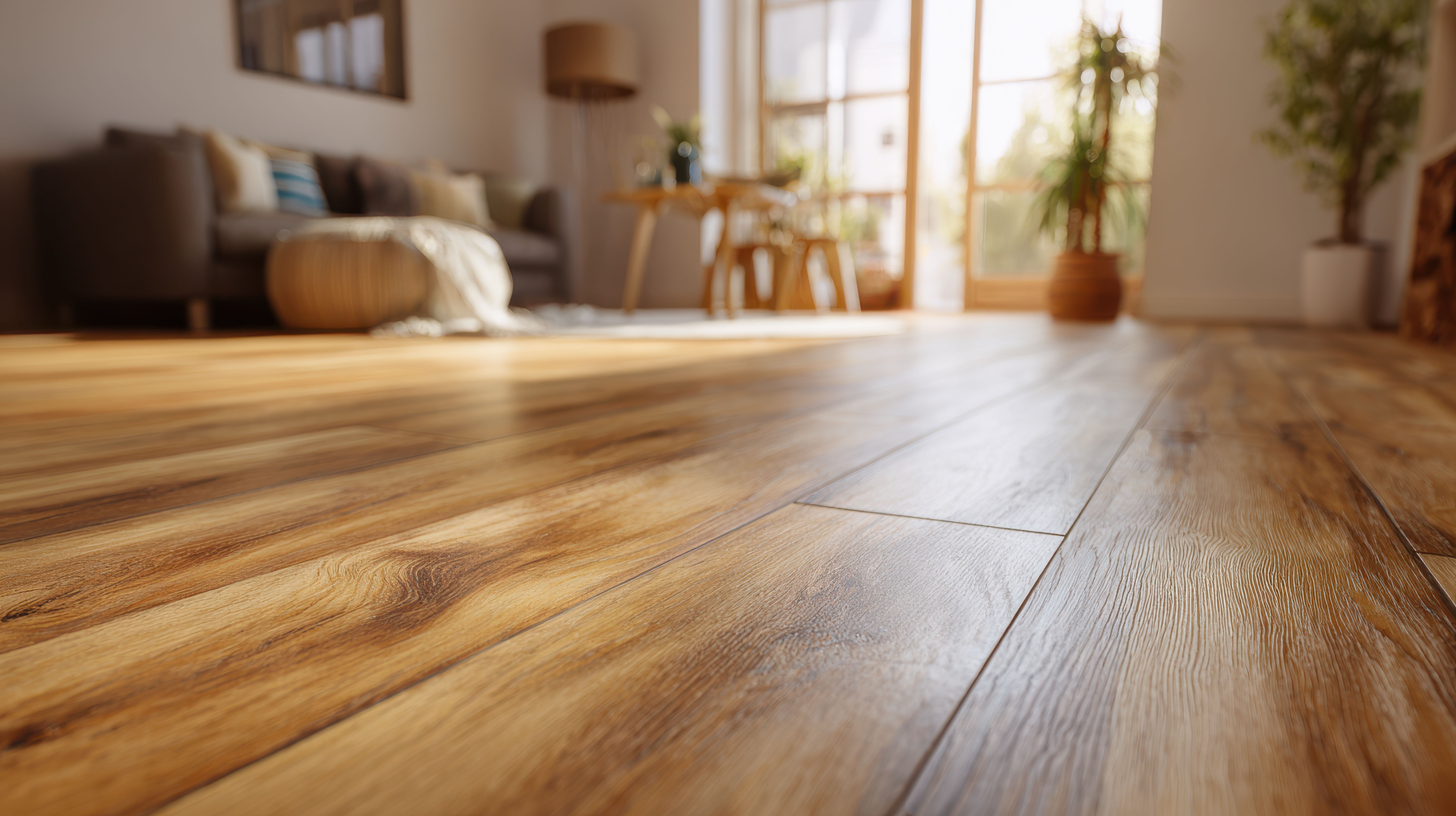
Hardwood flooring can bring natural character and long-term appeal to a home, but the product you choose affects more than its color or plank width. One important decision is whether to install prefinished hardwood flooring or choose unfinished hardwood that will be sanded and finished after installation.
Both options can produce beautiful results. The difference comes down to when the finish is applied, how the installation is completed, and what matters most to you in terms of appearance, scheduling, and customization.
What Is Prefinished Hardwood Flooring?
Prefinished hardwood arrives with its surface finish already applied at the factory. The boards are installed in their finished condition, so there is generally no need to sand and apply a new finish across the entire floor after installation.
This can simplify the project timeline and reduce the amount of finishing work performed inside the home. Factory-applied finishes are also designed for consistent coverage across the product.
Prefinished flooring is available in a wide range of wood species, colors, plank widths, and surface textures. The trade-off is that your choice is limited to the manufacturer's available selections. Small bevels between boards may also remain visible, depending on the product's design.
How Unfinished Hardwood Floors Differ
Unfinished hardwood flooring is installed without its final surface finish. After the boards are laid, the floor is typically sanded, stained if desired, and coated with a suitable finish. This approach offers greater flexibility when you want a particular stain color or a more continuous appearance across the floor. Because the finish is applied after installation, the installer can create a more uniform surface across the boards, depending on the wood and finishing method.
The process generally takes longer, however. Sanding and finishing add work to the project schedule, and the home may need to remain clear of the work area while coatings are applied and cured. Dust management, ventilation, and the manufacturer's guidance for safe re-entry also need consideration.
Compare Installation Time and Everyday Disruption
If you want to complete a renovation quickly, prefinished hardwood may offer a practical advantage because the boards do not require a separate on-site finishing process.
Unfinished hardwood may be better suited to projects where customization takes priority over speed. It can be particularly appealing when you want to coordinate the floor's stain with existing woodwork or achieve a specific appearance that is not available in a factory-finished product.
Whichever option you choose, proper hardwood installation requires attention to subfloor condition, moisture levels, acclimation requirements, and the manufacturer's specifications. These factors influence how well the floor performs after the renovation is complete.
Think About Appearance, Repairs, and Maintenance
Both flooring types require appropriate cleaning and care. Their long-term maintenance depends on the wood, finish system, household activity, and manufacturer's recommendations.
Prefinished boards can sometimes make individual repairs more noticeable if the replacement material does not match the original color or texture. With unfinished flooring, the on-site finishing process may offer more flexibility in achieving a coordinated appearance, although exact matching is never guaranteed.
Consider pets, furniture movement, foot traffic, and the amount of maintenance you are comfortable performing. Ask about finish durability, repair options, and the care products recommended for the specific floor.
Which Option Fits Hardwood Flooring Trends 2027?
Hardwood flooring trends 2027 are expected to continue emphasizing natural wood character, warm tones, understated finishes, and designs that complement a variety of interior styles. Both prefinished and unfinished hardwood can support these looks. Prefinished products offer convenient access to current colors and textures, while unfinished boards provide more control over the final stain and finish. The better choice depends on whether convenience or customization matters more for your project.
Choose the Finish That Fits Your Home
The decision between prefinished vs. unfinished hardwood comes down to your timeline, desired appearance, budget, and willingness to accommodate on-site finishing. Comparing the complete installation process will help you understand which option offers the best value for your renovation.
If you're exploring hardwood flooring in Haltom City, TX, Floors Depot TX can help you compare available styles and consider how each option fits your home's design. Homeowners within Fort Worth, TX, Alliance, TX, Grapevine, TX, North Richland Hills, TX, and Mid-Cities, TX can explore hardwood choices with appearance, maintenance, and installation requirements in mind. Contact us today and visit our showroom to compare hardwood flooring options and find a style that suits your project.


